

April 26 –
September 27
2026
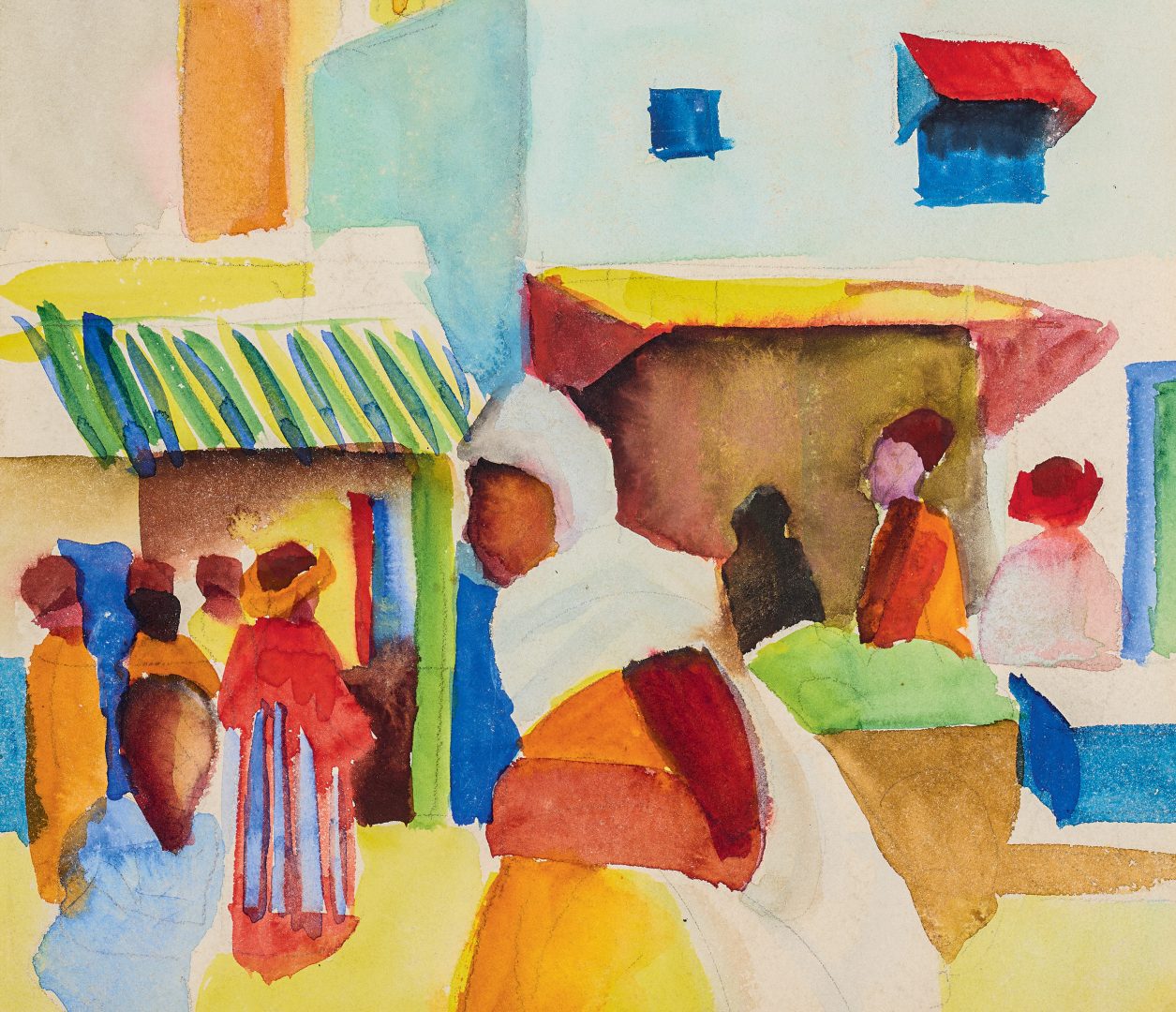
Adolf Erbslöh (1881–1947) is regarded as one of the quiet yet influential artists of the modern era. In his essay Phantasie und Form (Imagination and Form), he formulated his own theory of art, which views imagination not as the antithesis of order, but as its very source. The exhibition Fantasy & Form: Adolf Erbslöh’s Path to Modernism follows this line of thought and invites visitors to rediscover the artist’s distinctive visual language.
As a co-founder and later chairman of the Neue Künstlervereinigung München (New Artists’ Association of Munich), Erbslöh had a decisive influence on the artistic climate from which the Blauer Reiter emerged. He was no dogmatist of the avant-garde, but a seeker who mediated between the expressive gesture of Expressionism and the clear formal principles of Classical Modernism. In his landscapes, cityscapes and still lifes, imagination becomes a structuring force: luminous colours, clear lines and layered planes are the means of a contemplative gaze.
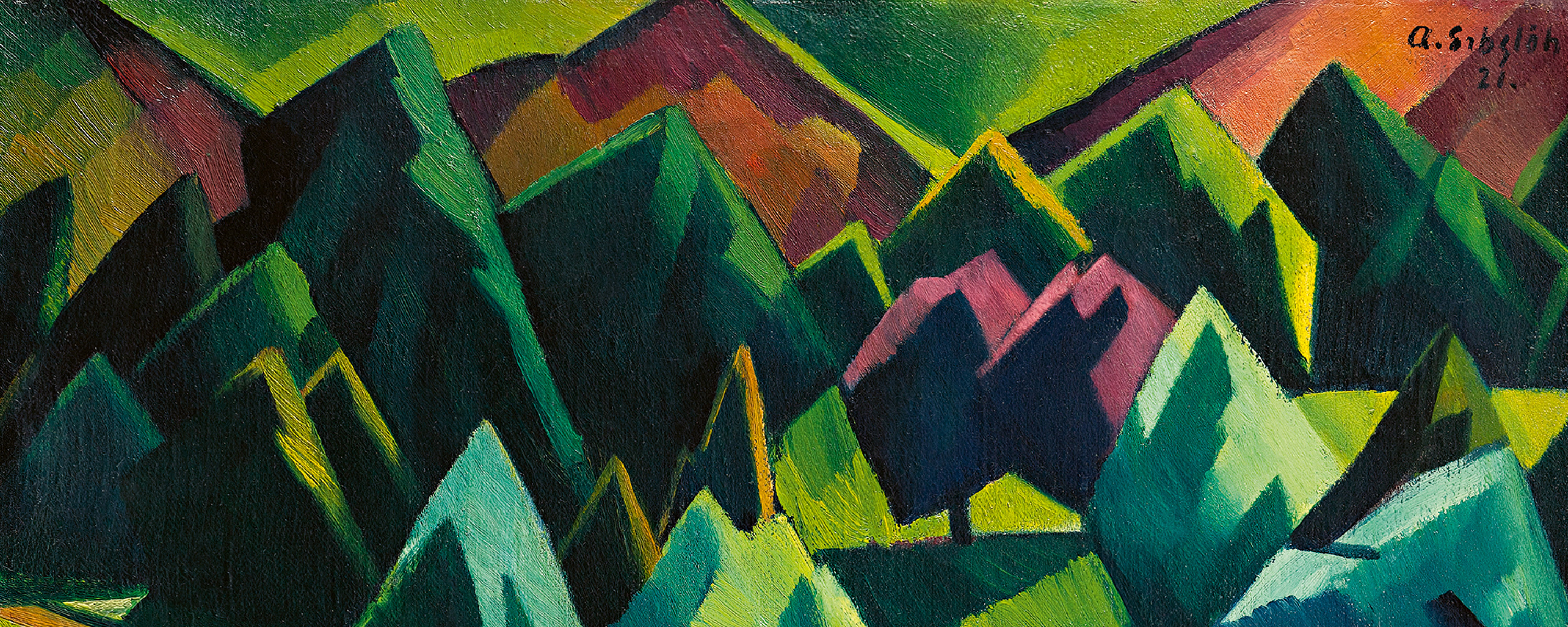
From his Impressionist beginnings, through his encounter with the art of Paul Cézanne and the Cubists, to the tectonic landscapes of the 1920s, the exhibition explores a central question in his work: how can the fleeting diversity of phenomena be transformed into a lasting pictorial order?
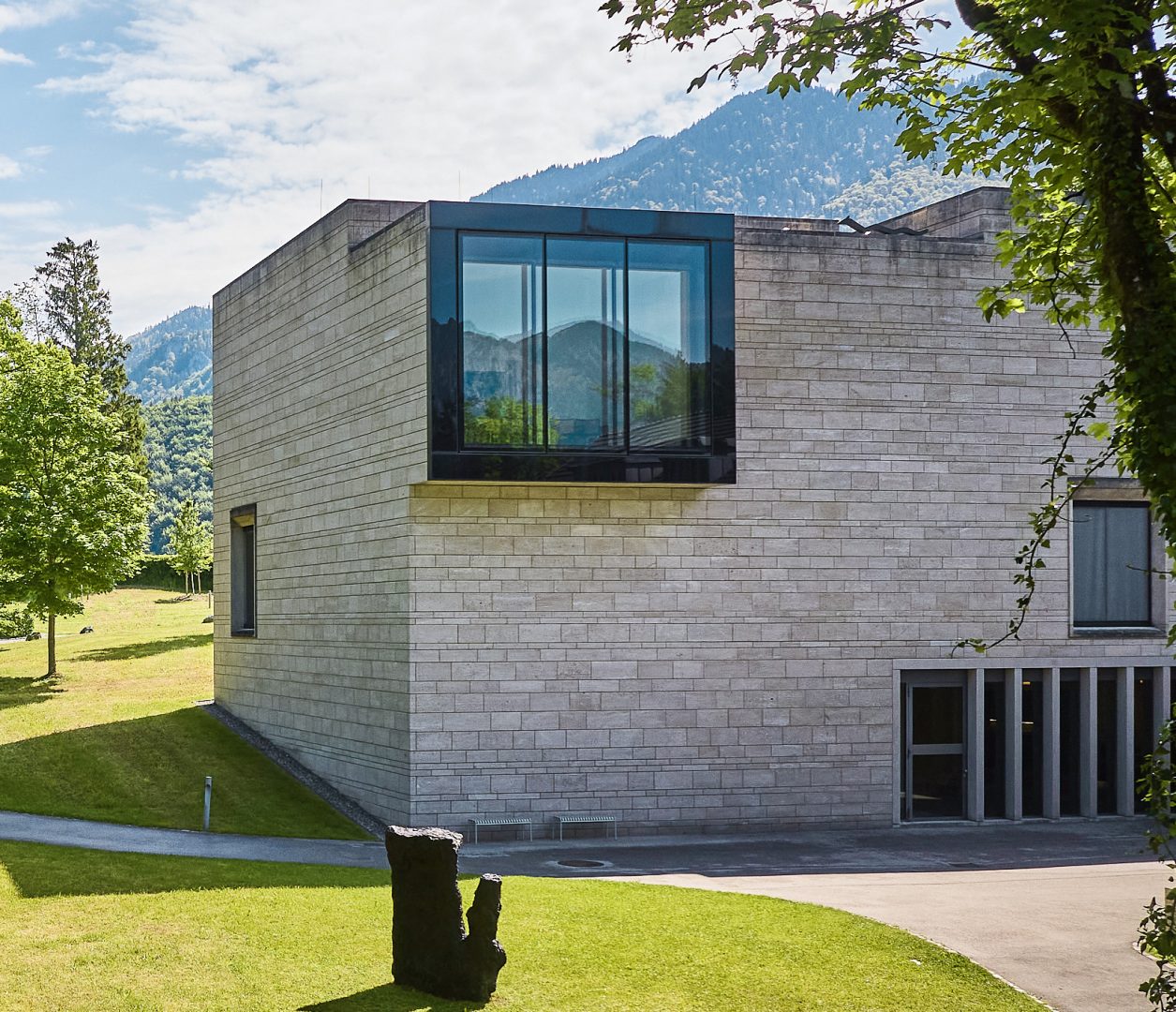
The Franz Marc Museum, whose research focus and collection are closely linked to the Munich avant-garde, presents around 40 paintings in this exhibition. Loans come from, among others, the Hamburger Kunsthalle, the Kunstpalast Düsseldorf, the Leopold-Hoesch-Museum Düren and the Schlossmuseum Murnau. Many of the works come from private collections and some are on public display for the first time. The exhibition is curated by Jessica Keilholz-Busch, Director of the Franz Marc Museum.
Artworks
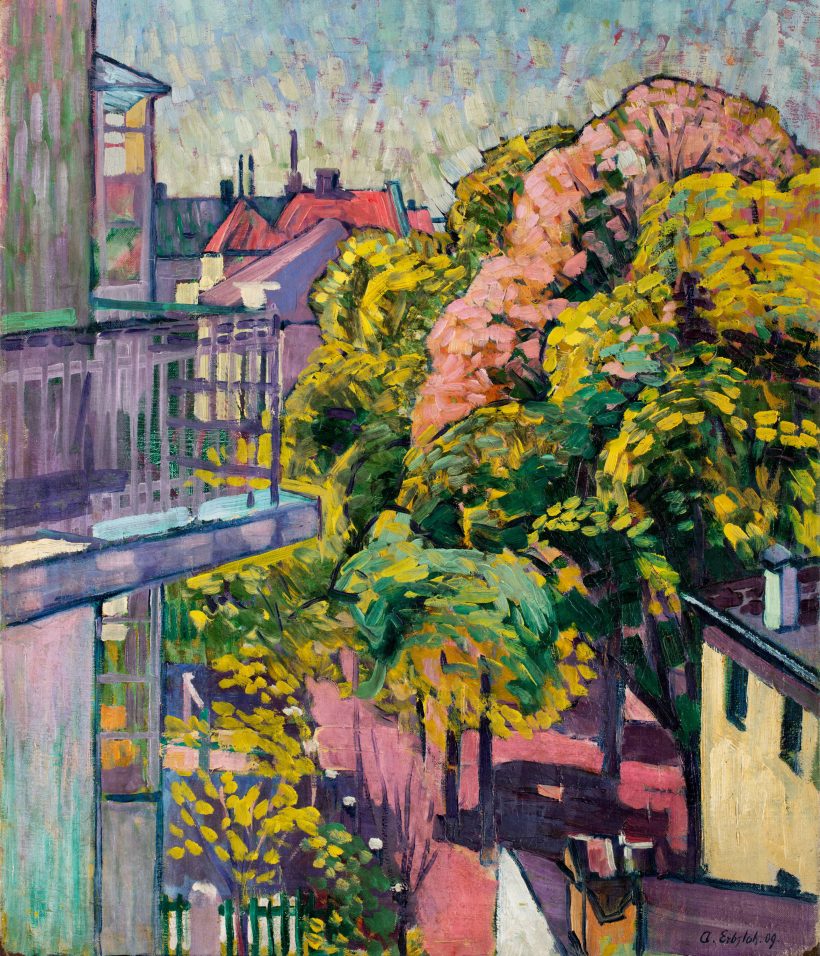
Adolf Erbslöh, Spring (View from the Studio), 1909, Hamburger Kunsthalle, on permanent loan from a private collection, © bpk / Christoph Irrgang
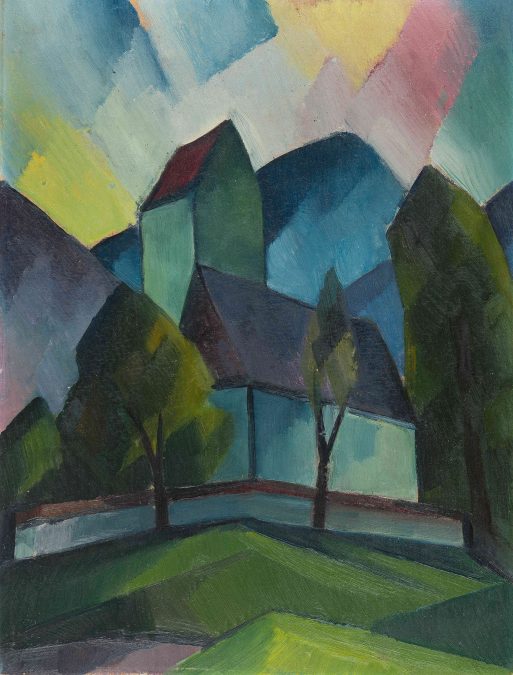
Adolf Erbslöh, Brannenburg Landscape (St. Margarethen), 1923, Private collection
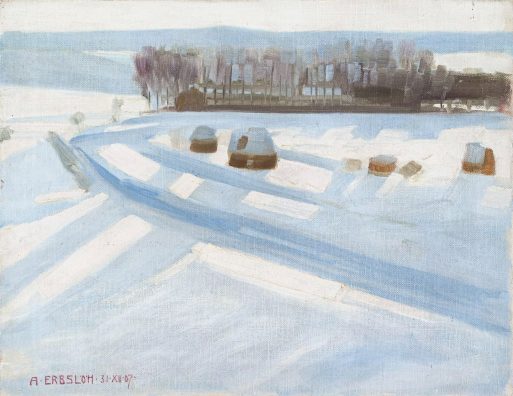
Adolf Erbslöh, Snow Landscape (Gut-Calenberg), 1907, Private collection
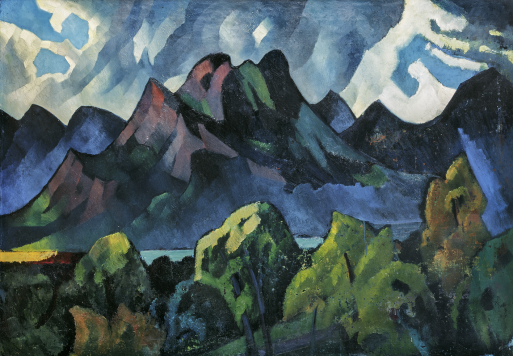
Adolf Erbslöh, Mountains, Brannenburg, 1911, Private collection, photo: Karen Bartsch
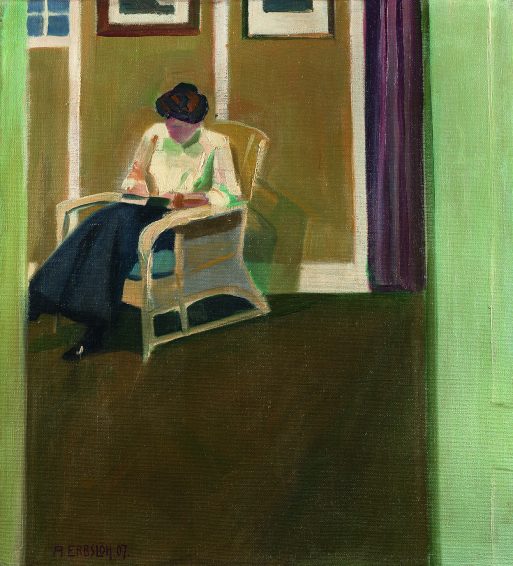
Adolf Erbslöh, Interior (Adeline in the Hall), 1907, Private collection
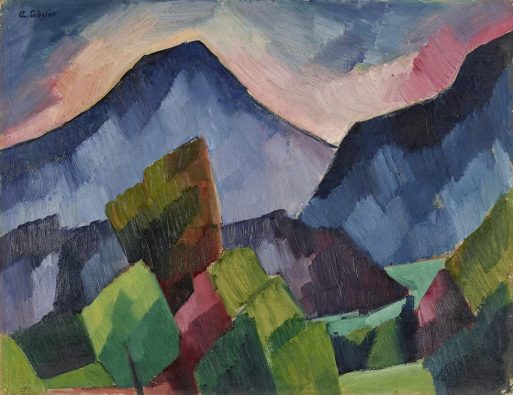
Adolf Erbslöh, Sunrise (Brannenburg), 1920, Franz Marc Museum, on loan from a private collection
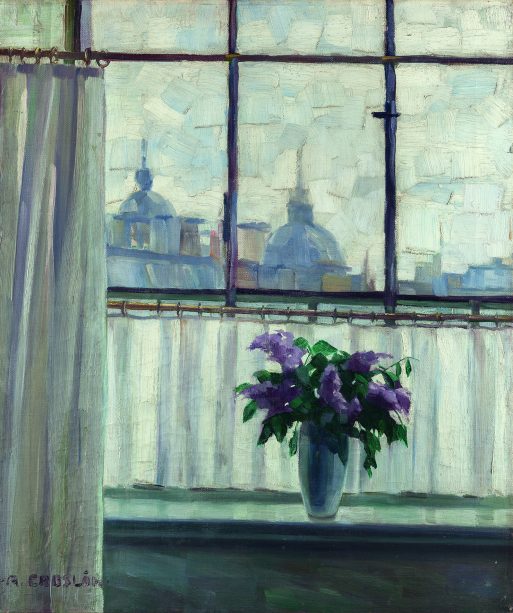
Adolf Erbslöh, Studio Window, 1908, Private collection, photo: Karl & Faber Kunstauktionen
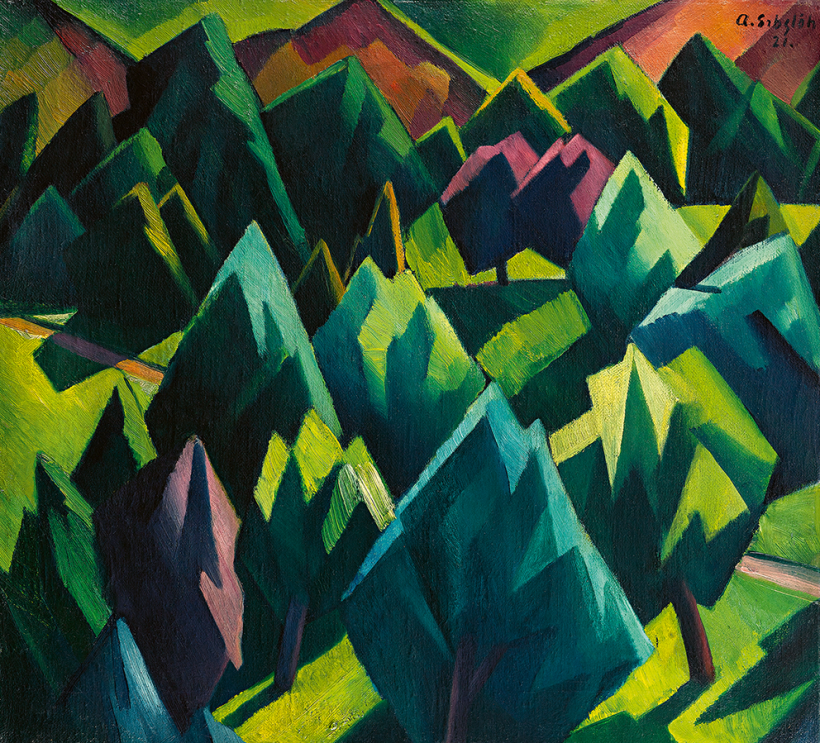
Adolf Erbslöh, Park (The Dancing Trees), 1921, photo: Karl & Faber Kunstauktionen