Upcoming
exhibitions
Interwoven Lines
Johanna Schütz-Wolff
14 March to
20 June 2027
14 March to
20 June 2027
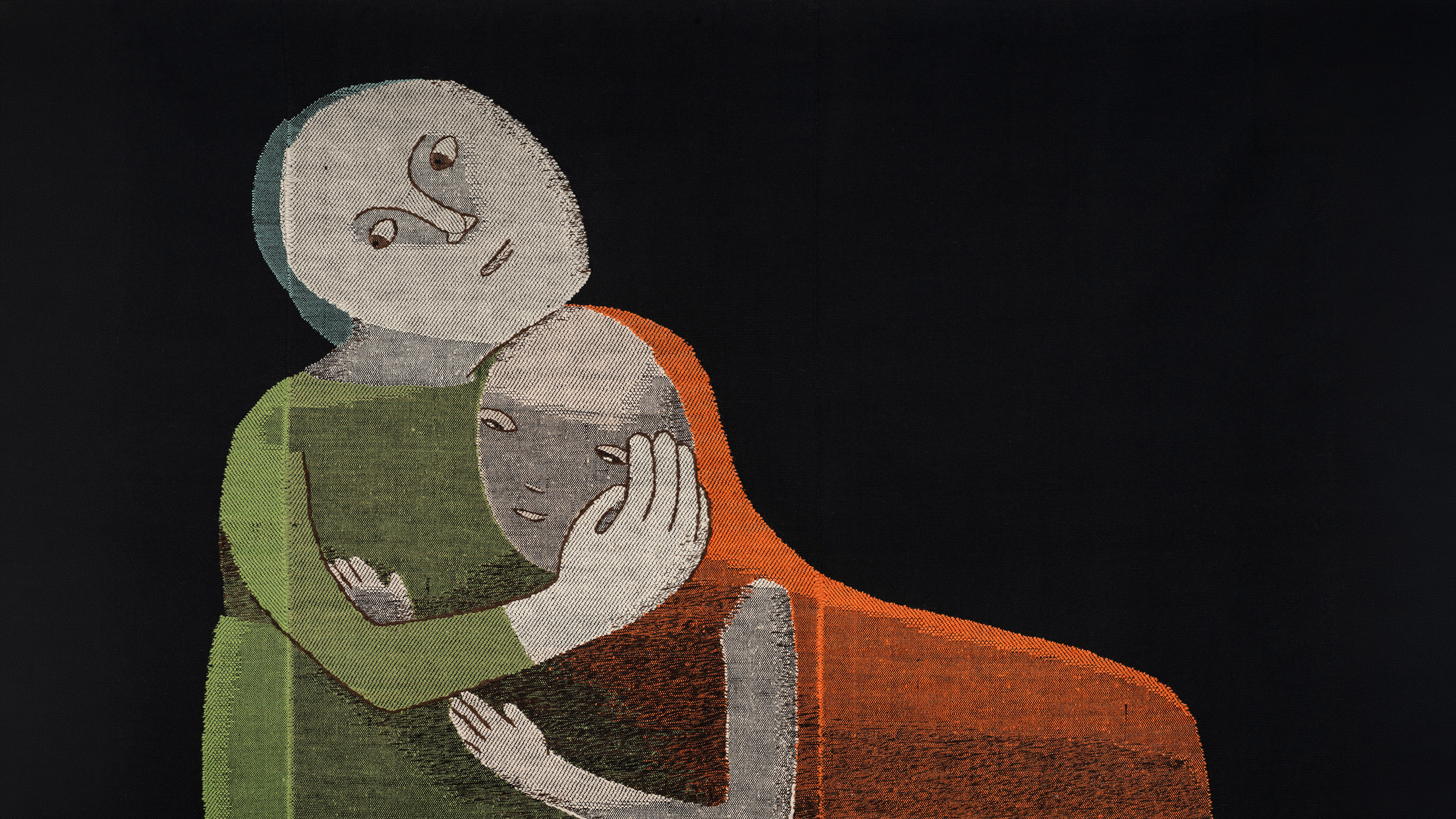
Johanna Schütz-Wolff (1896–1965) is one of the most significant textile artists of the modern era and is regarded as the founder of the expressive pictorial tapestry. As early as 1920, aged just 24, she took over as head of the newly established textile class at the Burg Giebichenstein School of Arts and Crafts in Halle. In the years that followed, she developed a distinctive visual language in which colour, material and textile structure became independent means of expression.
Schütz-Wolff’s life story is linked in a special way to the Franz Marc Museum. Even as a young artist, she was fascinated by Franz Marc; in 1920, she undertook a journey to Ried to visit Maria Marc, which she experienced almost as a ‘pilgrimage’. This encounter gave rise to a friendship that lasted for decades and an intense artistic exchange. Both women shared their experiences of weaving techniques, materials and plant-based dyes, supported one another and facilitated contacts. During the Second World War, Schütz-Wolff lived and worked in Ried for a time and also made use of Maria Marc’s weaving hut.
The retrospective traces Schütz-Wolff’s artistic journey from her early works through her monumental tapestries to her later prints. At the same time, it tells a story of artistic independence, friendship and exchange – and of an artist who steadfastly pursued her own path amidst changing political and social conditions.
A cooperation between the Kunstmuseum Moritzburg Halle (Saale), the Franz Marc Museum, Kochel am See, and the Käthe Kollwitz Museum Berlin.
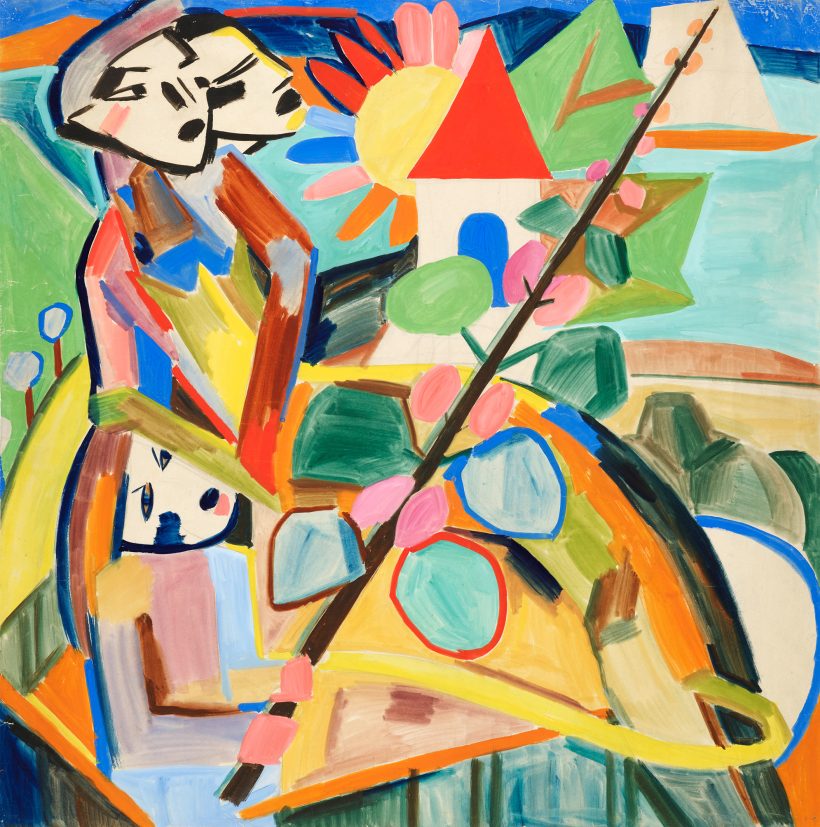
Johanna Schütz-Wolff, Untitled (People by the Water), 1919, gouache, tempera, 996 × 985 mm, Saxony-Anhalt Cultural Foundation, Moritzburg Art Museum, Halle (Saale), photo: Punctum/Bertram Kober © Estate of Johanna Schütz-Wolff
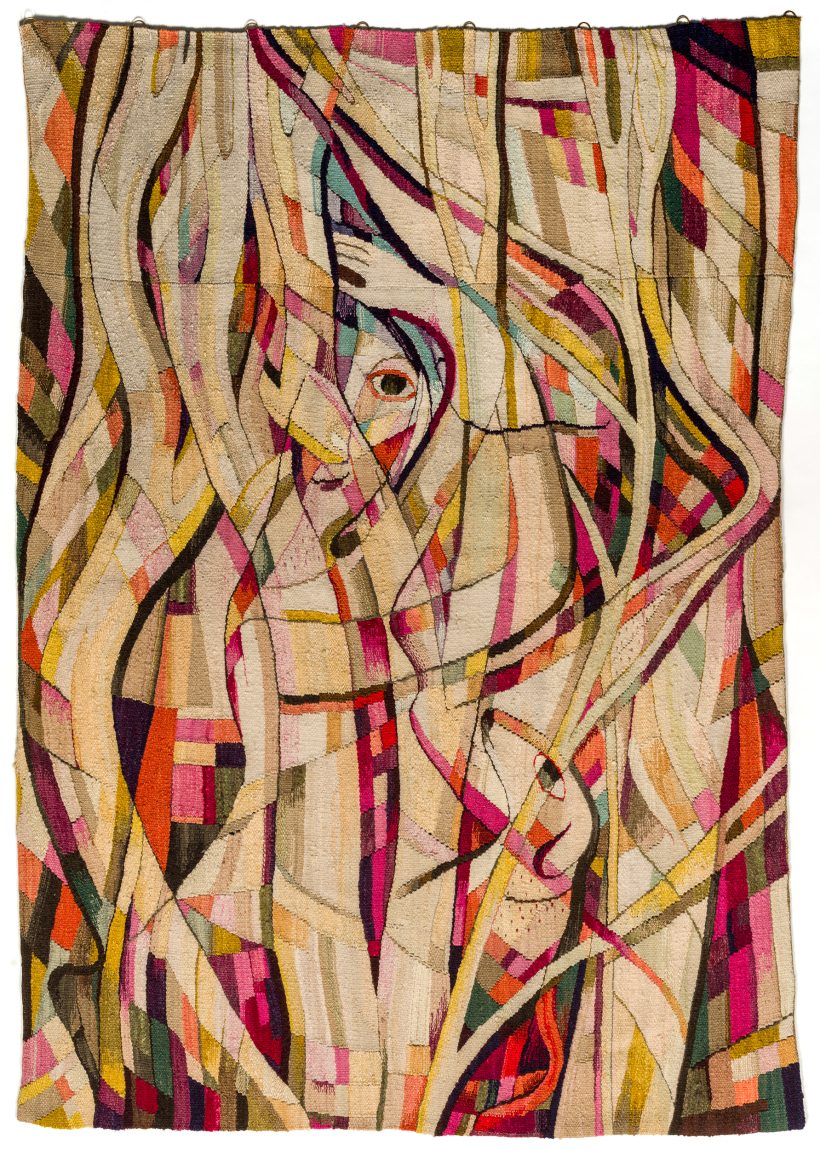
Johanna Schütz-Wolff, Woman Among Trees, 1956, wool and vegetable dyes, 190 × 135 cm, Saxony-Anhalt Cultural Foundation, Moritzburg Art Museum, Halle (Saale), photograph: Falk Wenzel © Estate of Johanna Schütz-Wolff
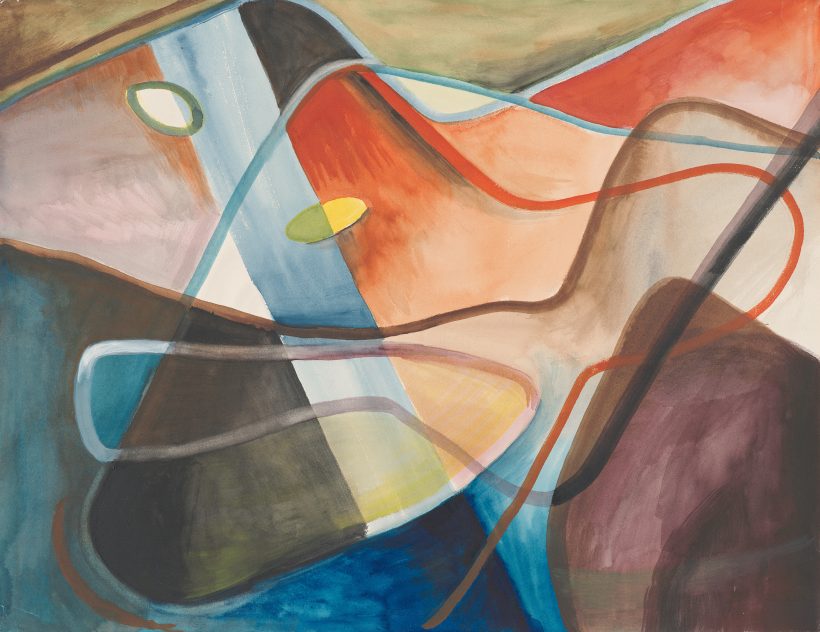
Johanna Schütz-Wolff, Untitled, 1953, gouache, watercolour, opaque paints, sheet size: 470 × 620 mm, Saxony-Anhalt Cultural Foundation, Moritzburg Art Museum, Halle (Saale), reproduction: Saxony-Anhalt Cultural Foundation © Estate of Johanna Schütz-Wolff
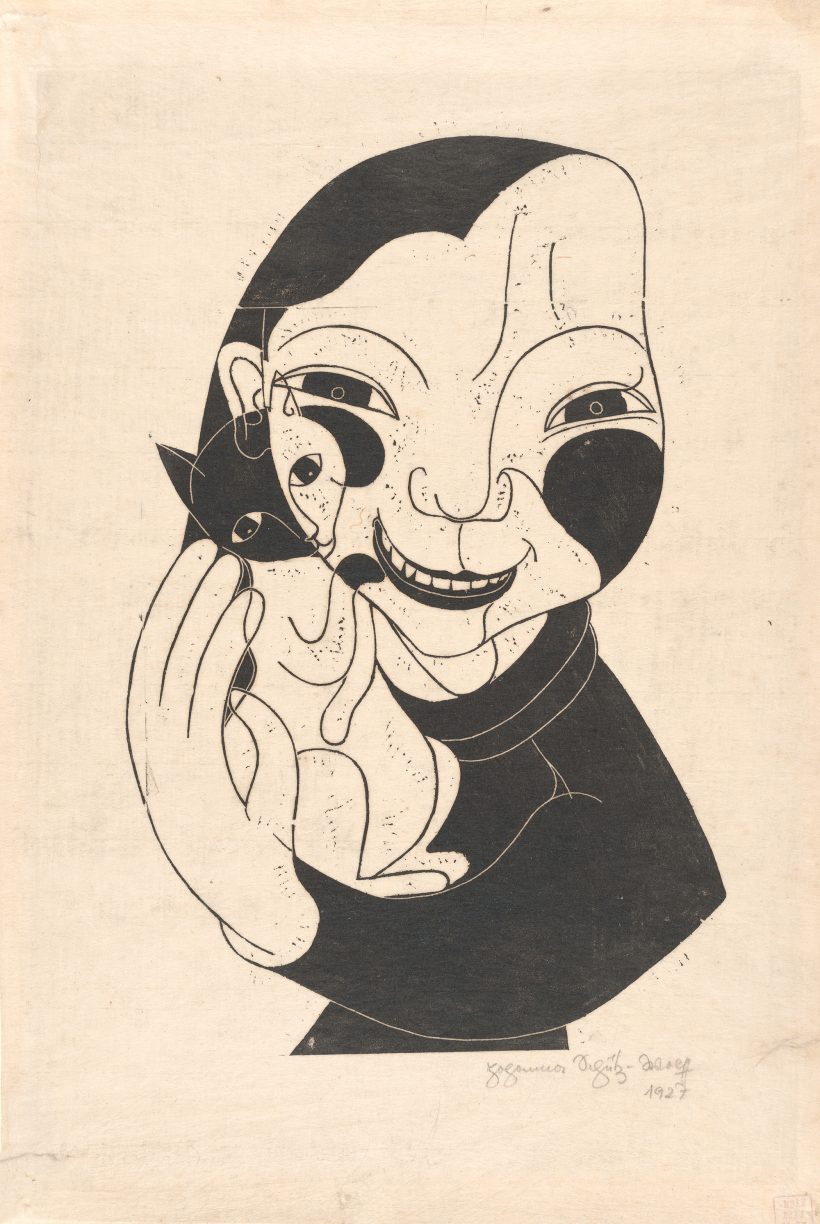
Johanna Schütz-Wolff, Girl with a Cat, 1927, woodcut on Japanese paper, sheet size: 425 × 285 mm, Saxony-Anhalt Cultural Foundation, Moritzburg Art Museum, Halle (Saale), reproduction: Saxony-Anhalt Cultural Foundation © Estate of Johanna Schütz-Wolff
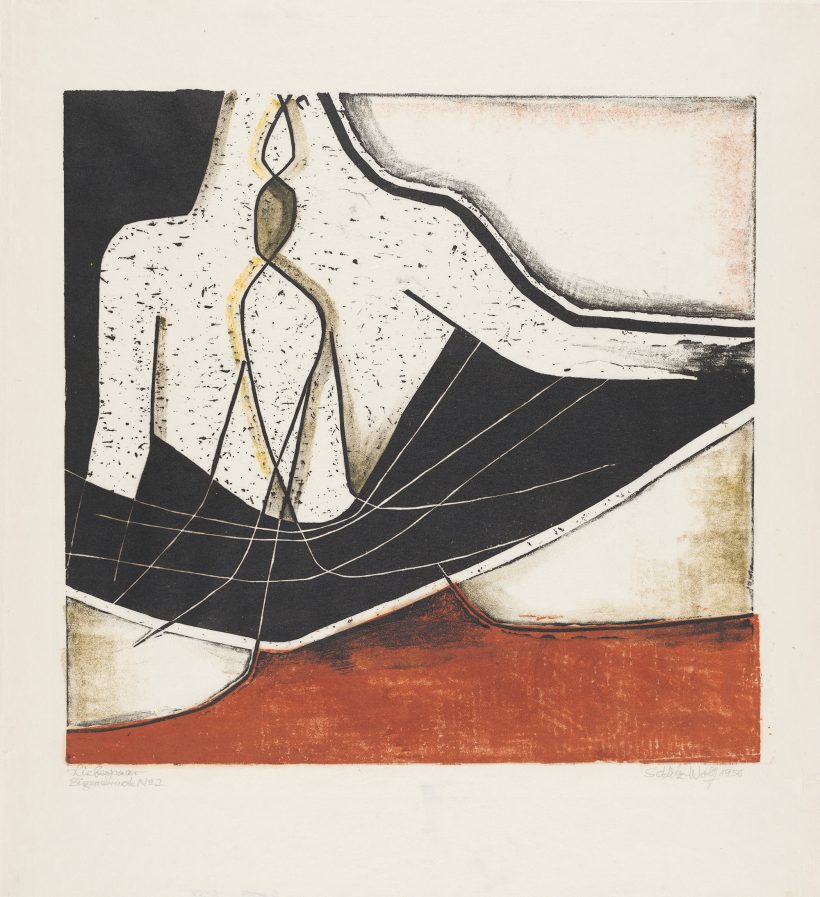
Johanna Schütz-Wolff, Couple, 1956, woodcut on thin Japanese paper, sheet dimensions: 657 × 609 mm, Saxony-Anhalt Cultural Foundation, Moritzburg Art Museum, Halle (Saale), reproduction: Saxony-Anhalt Cultural Foundation © Estate of Johanna Schütz-Wolff